2026 Farmland Preservation Survey: Planning, zoning, advocacy a priority for farmers
By Mary Ellen MurphyAug 11, 2026 | 9:44 AM
WEST OLIVE, MI – Farmers are more than familiar with the concept of “staying the course.” To successfully grow food, producers must stick to the program despite the challenges before them. When it comes to agricultural protection and support, Ottawa County will be staying the course, too. The 2026 Farmland Preservation Survey results are in, and the data validates efforts the Department of Strategic Impact has taken to support and strengthen this vital economic sector since 2019, when the first survey was conducted.
Nine of 10 surveyed (89%) think farmland loss is a problem locally and believe it is important to preserve – a 7% increase over the 2019 survey. Respondents were mostly likely to agree farms should be protected through planning and zoning, enhancing the economic viability of farming, succession planning, and by protecting land through agricultural conservation easements. These are all priorities of the Focus on Agriculture Plan, the Agricultural Preservation Program’s guiding document developed by DSI following the first survey.
An aerial view of the Klein family farm in Chester Township. Nine of 10 surveyed (89%) think farmland loss is a problem locally and believe it is important to preserve – a 7% increase over the 2019 survey. [Ottawa County photo]
“It’s tremendously rewarding to see the efforts we’ve prioritized track with those connected to the agriculture industry,” said DSI Director Paul Sachs. “This invaluable data will continue to guide the hand of staff through the rest of the decade and beyond.”
The Ottawa County Farm Bureau, which supported the development of the survey and helped encourage farmers and landowners to complete it, isn’t surprised by the results.
“We appreciate that Ottawa County is prioritizing agriculture and took time to identify critical issues related to farmland protection,” said Bureau President Adam Dietrich. “Succession planning, land use strategies, advocating for ag-friendly economic policies – these are all ways our farmers can be better positioned for success.”
Sent in February 2026 to more than 1,600 farmers and/or owners of 5 or more acres of agriculturally zoned property, the 14-question assessment asked for perspectives on farmland loss and what steps, if any, should be taken to ease that loss and protect the industry. The County received 409 responses out of 1,645, or approximately 25%.
That’s a statistically relevant number, according to DSI Special Projects Coordinator Joe Pierce, who along with DSI Data Analyst Stephanie Oesch helped draft and distribute the survey, as well as review the data and create the full report.
“Over 400 responses, the majority of which were mailed paper surveys, is phenomenal for a project like this. It is rare that we are able to conduct analysis at the County Level with a margin of error of 5%, or even lower,” said Pierce. “This is a testament to the trust and interest farmers have with Strategic Impact and the farmland preservation program.”
“We appreciate that Ottawa County is prioritizing agriculture and took time to identify critical issues related to farmland protection. Succession planning, land use strategies, advocating for ag-friendly economic policies – these are all ways our farmers can be better positioned for success.”
Ottawa County Farm Bureau President Adam Dietrich
Farmland Preservation Program efforts align with
farmers’ and landowners’ responses
Ninety percent of survey respondents felt ag land should be protected through planning and zoning efforts. This demonstrates farmers and landowners see the value in higher-level land use planning to better manage how and where property should be developed in Ottawa County. This aligns with the Comprehensive Land Use Vision section of the Focus on Ag Plan and is a broader planning strategy for DSI.
“Long-term, staff have been developing a cross-jurisdictional land use vision for farmland preservation. This involves mapping viable agricultural lands, encouraging infill development through brownfield incentives, and looking at the associated costs of community services – water, power, public safety, roads, etc., that come with development,” said Sachs. “Managing residential and commercial growth and steering it toward existing infrastructure can relieve pressure on farms.”
Other top-ranking ways survey participants said the County can support agriculture – including enhancing the economic viability of farming (84% support), encouraging succession planning (82%) and through the creation of agricultural conservation easements (66%) – also are key pieces of the Focus on Ag plan. View the plan on miottawa.org/farmland for specific examples.
Recommendations moving forward
Considered as a whole, the survey data demonstrates the County is generally on the same page with local farmers and landowners in its methodology to support local agriculture. After analyzing the 2026 survey data, comparing it with 2019 data, and Focus on Ag plan outcomes, two major priorities emerged:
• Enhance collaborative efforts with local governments to reduce conversion of farmland to non-ag uses.
• Continue focus on succession and transfer planning
“These priorities aren’t new,” said DSI’s Becky Huttenga. “But these concerns led the pack from those surveyed. This clear guidance tells us to put more energy and resources into collaborating with local municipalities and continue to boost farmland transfer efforts.”
View the full Ag Survey Report at bit.ly/2026OCFarmSurvey.
About the Farmland Preservation Program
With area farmers producing more than $726 million in products annually (2022 Ag Census), it’s easy to see Ottawa County is an agricultural powerhouse. At the same time, Ottawa County is growing quickly, and this growth is putting pressure on our highly productive farmland.
Ottawa County strives to protect the local agriculture industry through education, advocacy, economic development support and promoting the benefits of creating agricultural easements through the PDR program. Learn more about Ottawa County’s farmland preservation efforts by visiting miottawa.org/farmland, or by attending the Agricultural Preservation Board’s annual fundraiser and chefs’ competition, Farms are the Tapas. This year’s event is Sept. 17, 2026 at the Red Shed & Byre 53 event center near Hudsonville; buy tickets now at event.gives/tapas2026.
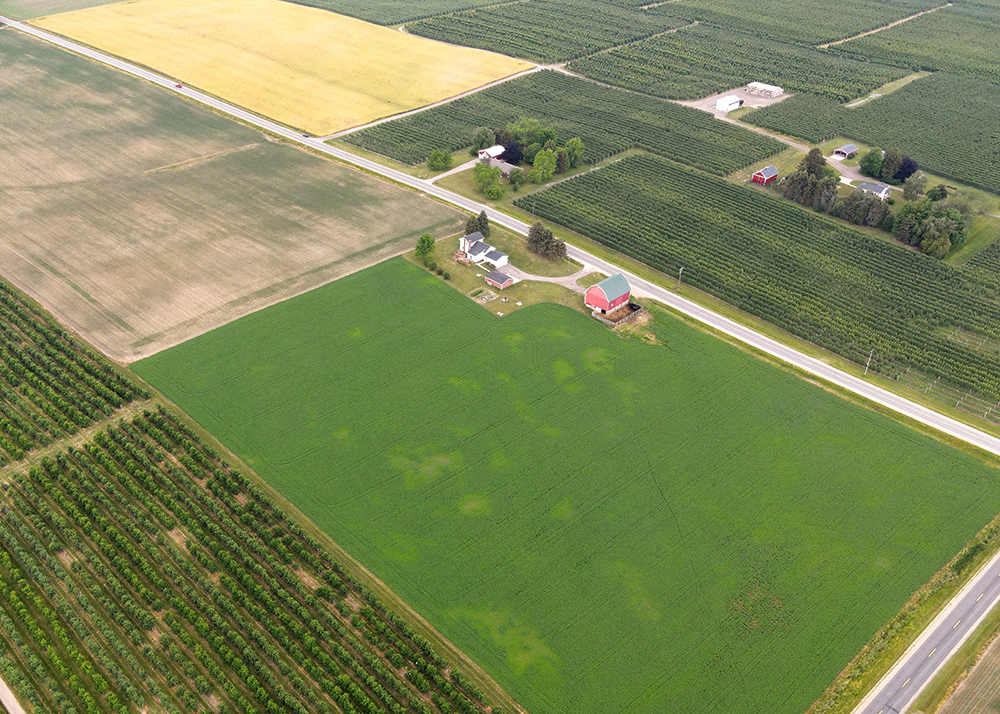 An aerial view of the Klein family farm in Chester Township. Nine of 10 surveyed (89%) think farmland loss is a problem locally and believe it is important to preserve – a 7% increase over the 2019 survey. [Ottawa County photo]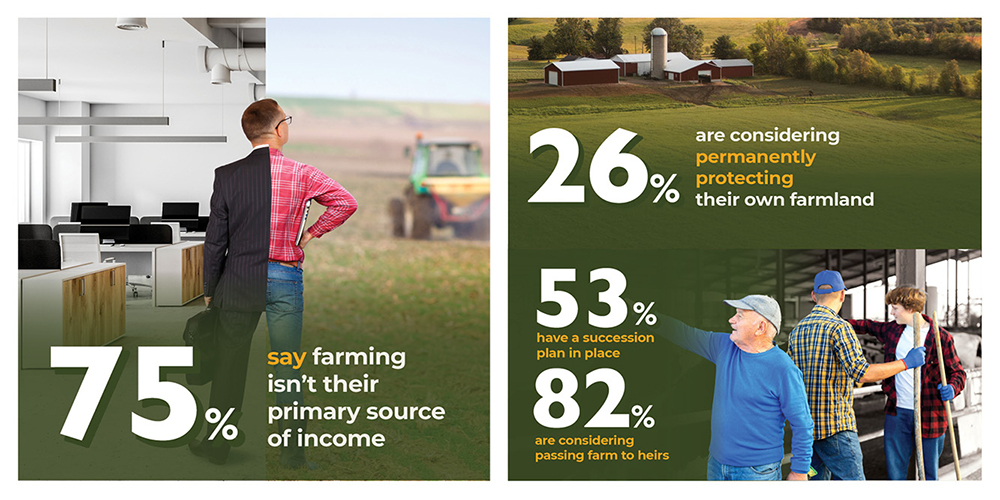
Comments