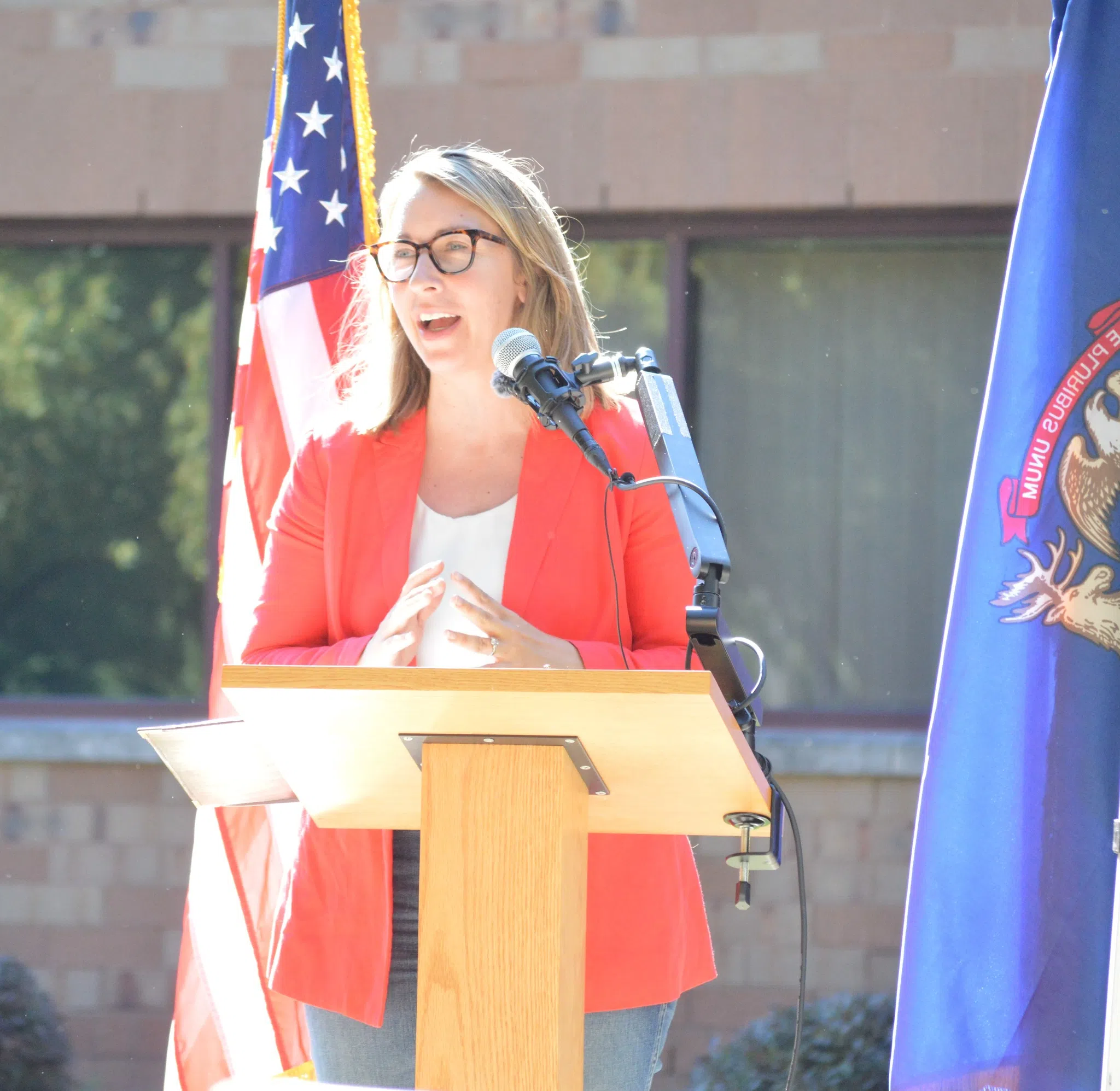
WASHINGTON, DC – U.S. Representative Hillary Scholten (D-MI-03) wrote a letter to U.S. Department of Agriculture (USDA) Secretary Brooke Rollins following USDA’s announcement that the Forest Service (FS) will close all nine of its regional offices and 57 of its 77 research facilities across the country, including all four in Michigan.
“By compelling field researchers to move, there are serious concerns that our nation will lose its highly-skilled scientists who keep our forests safe and our air breathable. This may result in more devastation at a time when 1.62 million acres are predicted to have already burned across the nation as of March 2026. Not only will communities and family homes cease to exist, but upticks in forest fires will saddle taxpayers with footing the bill for property damage and increased infrastructure costs,” Congresswoman Scholten wrote in part.
This decision will close all Forest Service research and development facilities in Michigan, including those in Houghton, L’Anse, Wellston, and East Lansing. Under the new organization, the state’s closest research facilities will be located in Wisconsin and Ohio.
“In addition to increasing the risk of wildfires and associated costs, the reorganization of FS will threaten local economies. Estimates measure that FS land recreation drives over $23 billion in economic output annually. Without reliable federal investment from FS, these local communities and businesses that previously relied on the region’s wildlands will be left behind. This represents a significant change, particularly for a state like Michigan that takes pride in its natural resources and wildlife,” Congresswoman Scholten continued.
The full text of the letter is available below:
Secretary Rollins:
On March 31, 2026, the U.S. Department of Agriculture’s (USDA) Forest Service (FS) announced that its headquarters will move from Washington, DC, to Salt Lake City, Utah, as well as close all 9 of its regional offices and 57 of its 77 research facilities. I am deeply concerned that this administrative move will undercut our nation’s forest management and wildfire prevention efforts and risk local economies.
Presently, FS oversees 154 national forests and 20 national grasslands–lands that are critical to our nation’s culture and way of life. Back home in Michigan, our state will lose all of its FS research and development facilities, including those in Houghton, L’Anse, Wellston, and East Lansing. Under this new system, the state of Michigan’s closest FS research facility will be located in Wisconsin and Ohio. By compelling field researchers to move, there are serious concerns that our nation will lose its highly-skilled scientists who keep our forests safe and our air breathable. This may result in more devastation at a time when 1.62 million acres are predicted to have already burned across the nation as of March 2026. Not only will communities and family homes cease to exist, but upticks in forest fires will saddle taxpayers with footing the bill for property damage and increased infrastructure costs.
In addition to increasing the risk of wildfires and associated costs, the reorganization of FS will threaten local economies. Estimates measure that FS land recreation drives over $23 billion in economic output annually. Without reliable federal investment from FS, these local communities and businesses that previously relied on the region’s wildlands will be left behind. This represents a significant change, particularly for a state like Michigan that takes pride in its natural resources and wildlife.
Given the serious threats that the USDA FS’s reorganization poses to West Michigan, please provide a written response to the following questions as soon as possible:
- What wildfire prevention research and data factored into the USDA’s reorganization of FS?
- How has USDA communicated with FS researchers regarding the reorganization of the Service?
- How does USDA intend to retain critical FS researchers who keep our communities safe from the financial and public health risks associated with wildfires?
- Did USDA factor in the recreational and tourism economies associated with FS facilities and federal wildlands when developing this reorganization?
- How does USDA intend to support local economies that may have relied on federal investment associated with FS research and maintenance?
Thank you for your time and attention to this pressing matter, given its serious implications to West Michigan’s public and environmental health, as well as its tourism industry. I look forward to hearing from you.
Comments