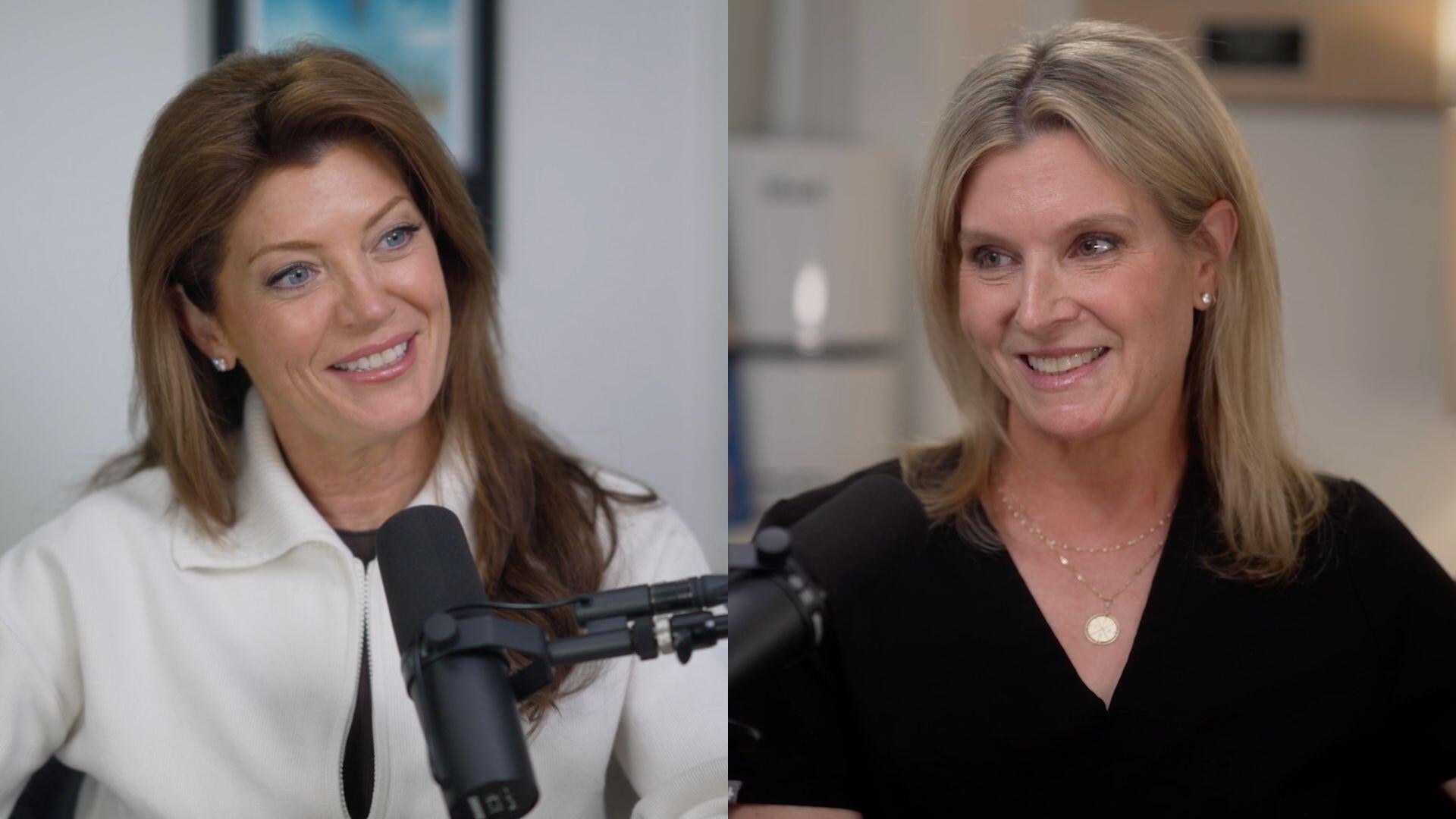
▶ Watch Video: Do’s and Don’ts for Preventing and Reversing Skin Damage
Skin is your body’s largest organ, and my dermatologist says it’s a reflection of your overall health. Dr. Elizabeth Hale, a leading dermatologist and senior vice president of the Skin Cancer Foundation, says your skin can reveal signs of underlying health conditions, including anemia, jaundice, and the effects of toxins and smoking.
Hale is an expert on treating damaged skin and has science-backed advice on how we can not only reverse skin damage but also reduce risk of skin cancer using the latest technology in skin care as well as food and exercise.
Here’s what she told me on this week’s episode of “Healthful.”
Laser skin treatments might help reduce future skin cancers and sun damage
While at Hale’s office, she performed a Fraxel laser procedure on my arms and chest to reverse my sun damage from growing up in Texas.
Fraxel, specifically, is a “fractionated non-ablative laser,” as Hale describes it. Unlike older laser skin treatments that essentially remove the top layer of a patient’s skin, Fraxel lasers keep most of the epidermis intact while delivering laser energy through the skin’s micro thermal zones.
Previously, laser skin procedures were thought of primarily for cosmetic purposes. Hale herself used to share that view, but in light of the past 10 years of research she says there is “really great data” that these procedures not only make your skin look better, but “decrease your chances for future precancers and skin cancers.”
Research suggests laser treatments like Fraxel and pulsed dye laser treatment paired with photodynamic therapy, known as PDT, can reduce a patient’s chance of developing basal cells, a type of skin cancer.
The procedure is one of Hale’s preferred methods of reversing skin damage and signs of aging. The side effect of being able to reduce the risk of cancerous skin cells and potentially prevent future skin cancers is a definite bonus as well.
Additionally, compared to earlier forms of laser skin procedures, the recovery time is shorter. Hale says patients who undergo Fraxel notice “healing is quicker … less painful, less recovery time, and really virtually no risk of scarring” after the fact, which is a common hesitation many people have before laser skin treatments.
In short, she says these new laser treatments are “very safe and effective.”
The importance of everyday skin care in preventing skin damage and signs of aging
One thing Hale requires from her patients — before having a conversation about which treatment is right for them to reverse damaged skin — is that “they’re committed to protecting their skin, because otherwise, they’re going to keep incurring more damage.”
“I truly will not provide a procedure to a patient or not perform a procedure unless they’re committed,” Hale said.
Daily sunscreen is her number one non-negotiable item.
She recommends a broad spectrum sunscreen with an SPF of 30 or higher to protect from UVA and UVB rays. This should be applied after cleansing and moisturizing your skin every day.
Certain moisturizers with DNA repair enzymes are preferred and should be used in the morning and at night. Doing so, according to Hale, reinforces the skin as it repairs itself overnight and is “helpful in removing some mutations and decreasing future skin cancers.”
Retinols and retinoids are also useful in protecting and repairing the skin. Retinoids include any product (prescription or over-the-counter) that has retinol in it. Retinol is quite popular in the skin care world as there is a lot of data showing “it really does slow down the aging of the skin,” Hale said.
For those with more damaged skin, Hale might prescribe retinoids with trentinonin to help “remove precancerous cells from the skin.”
Nature’s way of achieving healthy skin
Expensive treatments and fancy formulas are not the only way people can keep their skin looking young and healthy. Once again, the mantra “food is medicine” applies.
Hale prescribed a diet rich in “colorful fruits and vegetables” plus protein to support collagen synthesis. She does not necessarily promote the myriad of collagen supplements on grocery store shelves, but does acknowledge that people lose collagen as they age.
“I’m more on eating a healthy diet that contains protein,” Hale said, rather than taking supplements unless recommended by a medical professional.
What she really wants people to include in their diet are antioxidants. Antioxidants not only strengthen our immune system but after a day spent with our skin exposed to environmental toxins, pollutants and the sun, antioxidants help “neutralize” free radicals and “mitigate and prevent… damage” that comes from them.
Blueberries (a personal favorite), sweet potatoes, and acai are only a few of the foods with skin benefits. Foods containing polyphenols are especially good, as research has shown they “slow down mutations that are happening in your skin,” Hale said.
She suggests adding green tea, rich in polyphenols, to your regular diet along with plenty of water.
Vitamin C is another essential antioxidant, found in citrus fruits and skin care products that Hale recommends for patients who want glowing, healthy skin. Along with a daily sunscreen in the morning, topical vitamin C “is one of the best ways to combat sun damage,” she said.
Menopausal hormone therapy can help your skin
Men and women lose elasticity in their skin as they age, but women in particular experience this on a larger scale. As we enter our 30s and then into perimenopause and menopause, there is a “precipitous drop in estrogen” which, as Hale says, makes it so “the skin appears more sallow, more wrinkly, sagging” — all of which any women can attest they want to reduce.
As more research into the benefits of menopausal hormone therapy (also known as HRT) are coming out, Hale believes that, “with some exceptions, most women should be on some form of HRT” as they enter and experience menopause. Not only does it help reduce uncomfortable symptoms like hot flashes, but “it’s great for your body, your muscles, and your skin,” Hale says.
I’ve spoken on “Healthful” before that I use vaginal estrogen cream under my eyes to reduce fine lines and wrinkles. Hale approves and said using the estrogen on parts of the body where the skin is thinner, like under the eyes and neck, helps “slow down the signs of aging.”
See your dermatologist
Hale recommends starting with the basics and being consistent with them. Eat a colorful diet, exercise, and drink plenty of water. Wear sunscreen every single day and incorporate a robust moisturizer in your daily skin care routine. Then, consider prescriptions for problem spots on the skin with your dermatologist.
If after everything else you want to do more, talk with your dermatologist to find the right laser or surgical procedure for you. There is nothing wrong with wanting your skin to look and be healthy, no matter what stage of life you are in.
Skin health is whole body health and worth the investment.