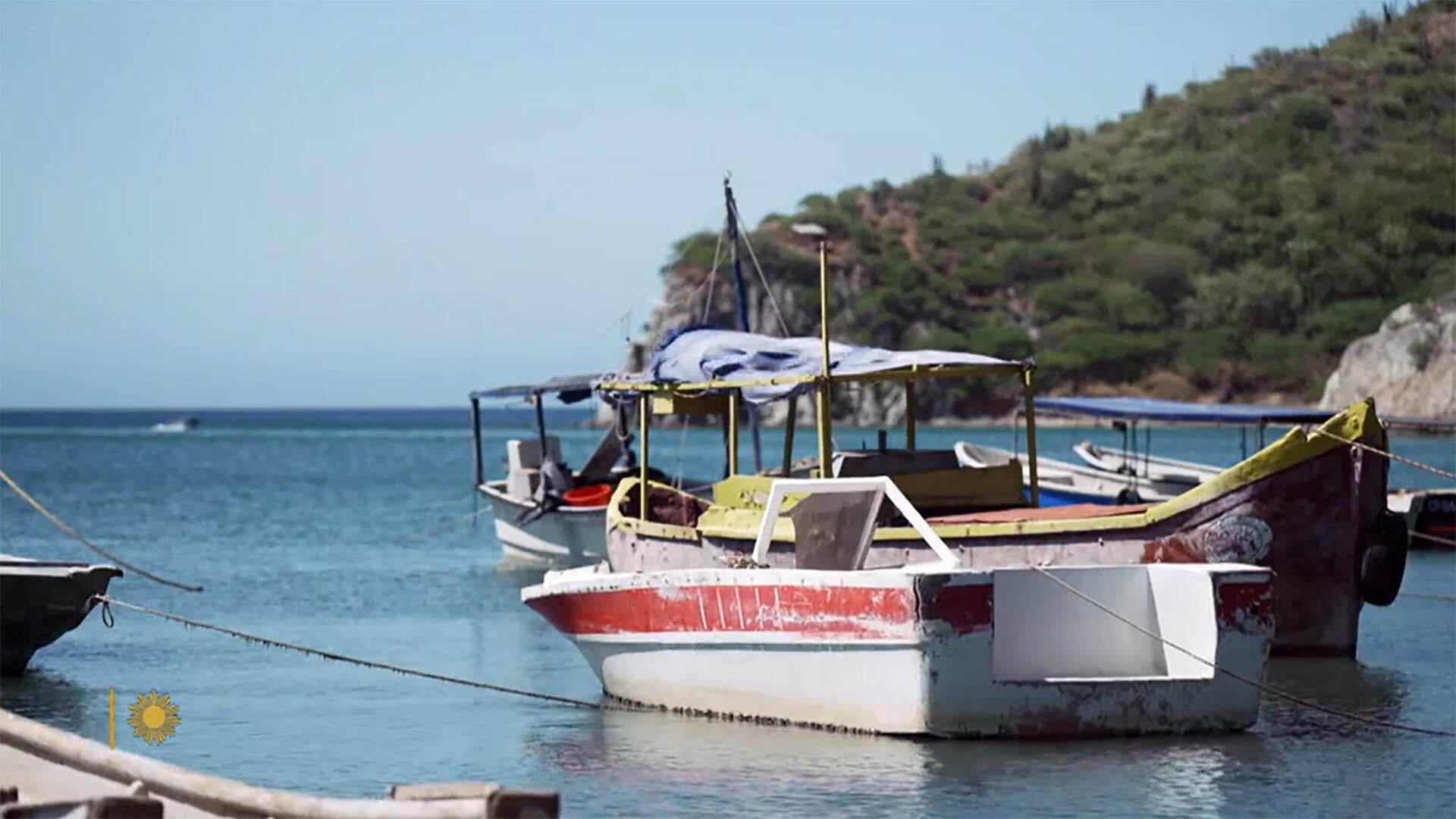
▶ Watch Video: Colombian fishermen express fears over lethal U.S. strikes
Colombia’s navy said Friday that it had destroyed dozens of drug trafficking laboratories and seized more than two tons of cocaine during operations in the country’s southern Pacific region.
The navy said it also seized more than 3,700 gallons of smuggled fuel in the area, which “prevented the strengthening of illicit economies in the area.”
The navy shared photos of each seizure and of some of the laboratories. The seized cocaine appeared to be in small packages, each weighing about two pounds. The interception prevented the drugs from circulating in “international markets,” the navy said.
The navy said three crew members were arrested when the cocaine was seized. Two of them were Ecuadorian. The nationality of the third was not specified. Four individuals were captured when the smuggled fuel was seized, the navy said.
“We continue to exercise maritime control to protect the country’s security and stability,” the agency said in a post announcing the fuel seizure.
The navy did not say if all of the seizures were made at once or across multiple operations. The information was shared in multiple posts on X. Another post highlighted the seizure of more than 90 pounds of marijuana in Cartagena, a city in the country’s north.
Colombia is the world’s largest cocaine-producing nation. Relations between Washington, D.C., and Bogota have been strained, with the U.S. accusing the Colombian government of failing to contain a spike in cocaine production and placing sanctions on President Gustavo Petro. A U.S. military campaign against alleged drug-ferrying boats off South America in the Pacific Ocean and Caribbean Sea has killed more than 100 people since September.
Colombia has announced several major drug busts in recent months, including the seizure of more than 240 pounds of cocaine that had been thrown from a “go-fast” vessel as it was pursued by authorities in February. In January, the Colombian Navy seized over two tons of cocaine from a speedboat in the South Pacific Ocean, and in November, the nation announced its largest cocaine bust in a decade, with 14 tons confiscated at its main Pacific port.